Aputure NOVA II Series
Why It’s Time to Retire Your Legacy LED Panels
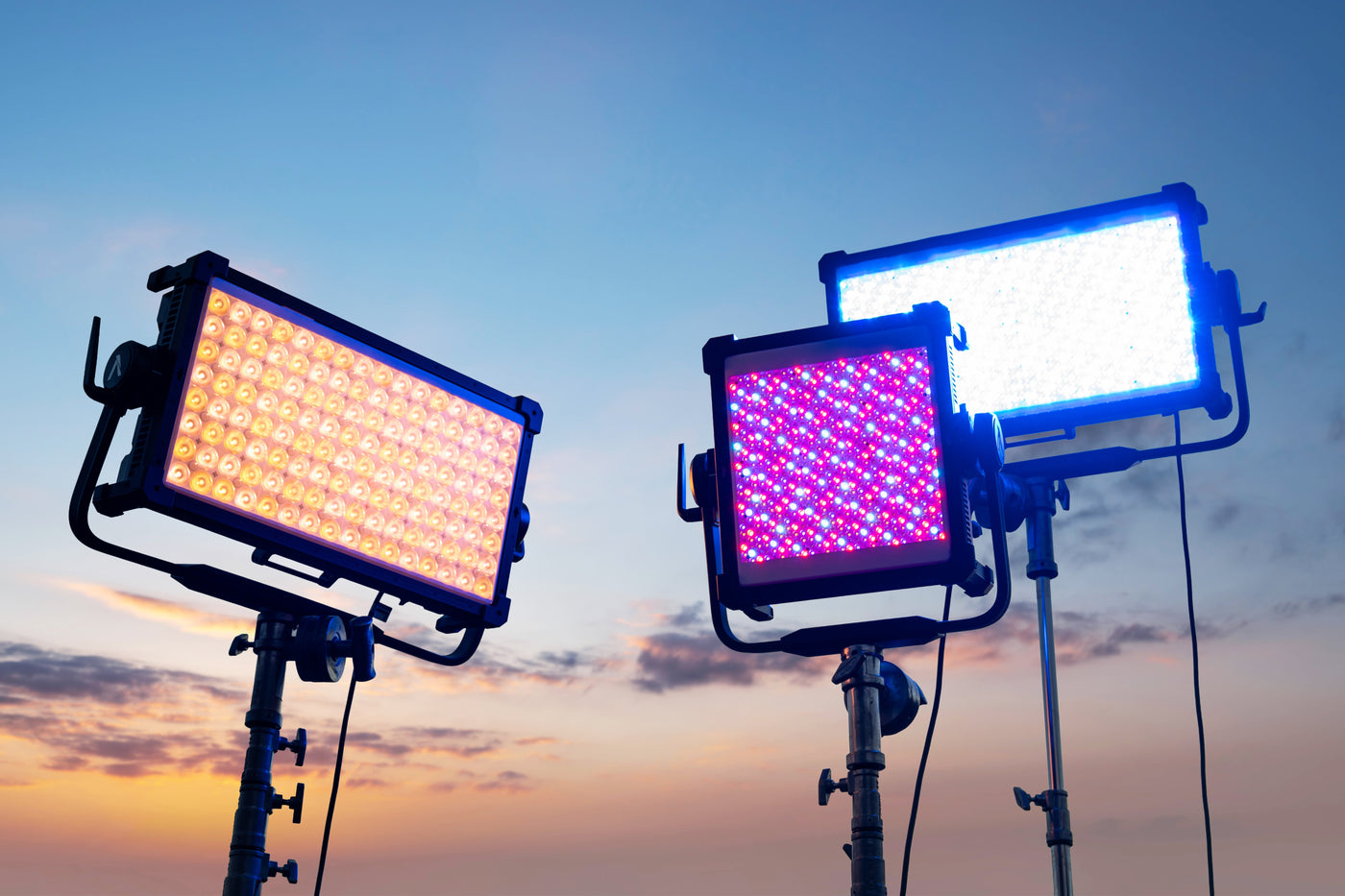
The New Aputure NOVA II Range Has Changed the Game
For years, LED panels have been the backbone of professional lighting setups - from broadcast studios and corporate interviews to commercials and film sets. But if you’re still running first- or second-generation LED panels, chances are you’re compromising on output, colour accuracy, control, and efficiency without even realising it.
Aputure’s latest release - the NOVA II Series - isn’t just an incremental upgrade. It’s a full reset on what modern LED panels should deliver.
At Prosales Broadcast, we’ve spent time testing and deploying the new range, and the conclusion is simple:
this is the moment to upgrade.
Meet the New Standard: The Aputure NOVA II Series
The NOVA II range is designed for professionals who need maximum output, flawless colour, and total control, without changing how they work on set.
The Range:
- Aputure NOVA II 1x1 Tunable Color LED Panel
- Aputure NOVA II 2x1 Tunable Color LED Panel
- Aputure NOVA II 2x1 9º Tunable Color LED Panel
Each fixture builds on Aputure’s reputation for reliability - while solving the biggest frustrations users have with older LED panels.
The Problem with Legacy LED Panels
If you’re still using older LED panels, you’ve likely experienced some (or all) of these issues:
- Inconsistent colour matching between fixtures
- Limited output that struggles through diffusion
- Green/magenta shifts that cost time in post
- Bulky power solutions and inefficient rigs
- Control systems that feel dated and restrictive
Legacy lights still “work” - but they slow you down, especially on fast-moving sets.
What Makes the NOVA II a Real Upgrade (Not Just a New Model)
1. Massive Output Where It Actually Matters
The NOVA II range delivers significantly higher output than legacy 1x1 and 2x1 panels - especially once diffusion and modifiers are added.
The standout:
-
NOVA II 2x1 9º delivers an ultra-focused beam that punches far harder than traditional soft panels - perfect for:
- Larger sets
- High ceilings
- Competing with daylight
- Directional soft lighting without spill
If you’ve ever wished your old panels had “just a bit more punch” - this solves it.
2. True Colour Accuracy Across the Entire Range
Aputure’s RGBWW engine delivers consistent colour reproduction across fixtures, scenes, and environments.
What this means in practice:
- Cleaner skin tones
- Reliable matching between multiple units
- Less time correcting colour in post
- Confidence when mixing with other Aputure fixtures
If colour accuracy matters to your workflow (and it should), this alone justifies the upgrade.
3. Modern Control for Modern Sets
The NOVA II range integrates seamlessly into today’s lighting ecosystems:
- Sidus Link App Control
- DMX / LumenRadio Wireless CRMX
-
Fast, intuitive onboard interface
Whether you’re running a small corporate setup or a full broadcast grid, these lights slot straight in - no workarounds, no compromises.
4. Built for Professionals Who Work Fast
Aputure didn’t just improve the light - they refined the entire experience:
- Tool-less modifier mounting
- Robust, rental-friendly construction
- Quieter operation for sound-sensitive environments
- Faster setup and strike times
This matters when you’re moving locations, turning over studios, or managing multiple crews.
Which NOVA II Is Right for You?
NOVA II 1x1
Perfect for:
- Interviews
- Corporate video
- Studio key and fill
- Compact crews that need flexibility
A direct, no-brainer replacement for older 1x1 panels - but with dramatically better output and colour.
NOVA II 2x1
Ideal for:
- Broadcast studios
- Commercial sets
- Larger soft sources
- Key lighting talent at scale
This is where many legacy 2x1 users will feel the biggest performance jump.
NOVA II 2x1 9º
Built for:
- High-ceiling studios
- Directional soft light
- Daylight competition
- Long-throw applications
If you’ve ever needed a panel that behaves more like a soft spotlight, this is it.
Why Now Is the Right Time to Upgrade
Lighting technology has moved forward - fast.
Upgrading to the NOVA II range means:
- Fewer fixtures doing more work
- Cleaner images straight out of camera
- Faster setups and less troubleshooting
- A lighting package that’s future-proof
Holding onto legacy panels may feel economical, but the hidden cost is time, consistency, and creative limitation.
Upgrade with Prosales Broadcast
At Prosales Broadcast, we don’t just sell lights - we help professionals build lighting systems that actually make sense for their workflow.
We can assist with:
- System design and upgrades
- Studio and broadcast installations
- Multi-unit packages and scaling
- Technical advice before you invest
If you’re considering upgrading from legacy LED panels, the Aputure NOVA II range is the benchmark.
Ready to Move Forward?
Explore the full NOVA II range on our website or get in touch with the Prosales team to discuss the right setup for your studio or productions.
The future of LED panels is here - and it’s time your lighting caught up.